The Complete Guide to Multi-Layer Visibility: Why Small Businesses Are Leaving Money on the Table (And How to Fix It)

Stop playing hide-and-seek with your customers—it’s time to be impossible to ignore.
Let me share something that might sting a little: your biggest competitor isn’t necessarily better than you. They’re just more visible than you.
I learned this the hard way when I started working with small business owners who were incredibly talented but frustratingly invisible. They had beautiful websites that no one visited. They posted content that no one engaged with. They offered amazing services that no one knew about.
The problem wasn’t their skill or their passion. The problem was their understanding of what visibility actually means in 2025.
The Expensive Mistake Most Small Businesses Make
Picture this: You’ve invested in a professional website. You post regularly on social media. You might even run some ads here and there. You’re doing “all the right things,” yet your phone isn’t ringing, your inbox isn’t filling up with inquiries, and you’re watching competitors with inferior services steal your potential customers.
Sound familiar?
Here’s what’s happening: you’re confusing digital presence with strategic visibility. They’re not the same thing—not even close.
Digital presence is like having a business card. Visibility is like having a personal introduction from someone your prospect trusts, at exactly the moment they need your services, in the format they prefer to receive information.
- The Expensive Mistake Most Small Businesses Make
- Introducing the Four Layers of Strategic Visibility
- The Compound Effect: When All Four Layers Work Together
- The 24/7 Marketing Machine: Smart Automation
- Your Visibility Audit: Where Do You Stand?
- Implementation Strategy: Your 90-Day Action Plan
- Common Pitfalls to Avoid
- Your Visibility Investment: Budget and Resource Planning
- Measuring Success: KPIs That Matter
- The Mindset Shift: From Vendor to Trusted Advisor
- Real-World Case Studies: The Four-Layer System in Action
- Your Next Steps: Taking Action Today
- Let's Continue the Conversation
- Frequently Asked Questions (FAQs)
Introducing the Four Layers of Strategic Visibility
After working with hundreds of small businesses and analyzing what separates the thriving companies from the struggling ones, I’ve identified four distinct layers of visibility that successful businesses master. Miss even one layer, and you’re leaving serious money on the table.
Layer 1: Search Dominance – Owning Your Digital Real Estate
The Reality: When someone searches for your type of service in your area, the top 3 results get 75% of all clicks. If you’re not in that top 3, you might as well be invisible.
But here’s what most businesses get wrong: they think SEO is just about keywords and website content. That’s only part of the story.
What Search Dominance Actually Includes:
Local SEO Mastery
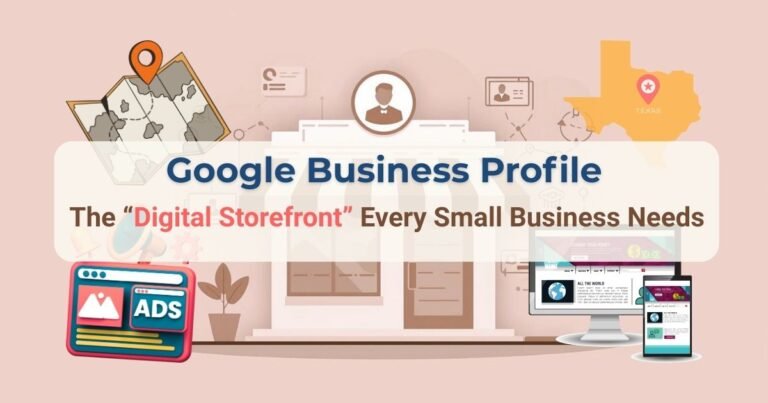
- A fully optimized Google My Business profile (with regular updates, photos, and posts)
- Consistent NAP (Name, Address, Phone) information across all online directories
- Local citations in industry-specific directories
- Location-based content that speaks to your community’s specific needs
Content That Answers Real Questions Instead of writing about what you want to sell, write about what your customers actually search for. Use tools like AnswerThePublic or simply pay attention to the questions prospects ask during sales calls.
Review Generation Systems Reviews aren’t just social proof—they’re SEO gold. A systematic approach to generating authentic reviews can dramatically improve your search rankings while building trust.
Technical Excellence Your website needs to load fast, work perfectly on mobile devices, and provide an excellent user experience. Google rewards sites that users love to use.
Real-World Example: A local plumber I worked with was losing jobs to competitors despite being more experienced and fairly priced. After optimizing his Google My Business profile and creating content around “emergency plumbing issues,” he started appearing in the top 3 results. His phone calls increased by 180% in just three months.
Layer 2: Proactive Outreach – Being in Their Inbox Before They Search
The Problem: Most businesses are reactive. They wait for customers to find them, contact them, and initiate the relationship. But by that time, customers have already been influenced by competitors who were proactive.
The Solution: Strategic, value-driven outreach that puts you in front of prospects before they’re actively shopping around.
Email Marketing That Actually Works
- Welcome sequences that educate rather than sell
- Seasonal reminders tied to your services (HVAC companies emailing before summer, accountants reaching out before tax season)
- Value-packed newsletters that people actually want to read
SMS Marketing for Immediate Impact
- Appointment reminders that reduce no-shows
- Time-sensitive offers for last-minute availability
- Quick tips and seasonal advice
Strategic Social Media Advertising Instead of boosting random posts, create targeted campaigns that reach people based on their behaviors, interests, and life events that indicate they might need your services.
Partnership and Referral Systems Build relationships with complementary businesses that serve the same customers. A wedding photographer partnering with wedding planners, florists, and venues creates a powerful referral network.
Real-World Example: A house cleaning service implemented a simple email sequence that went out to people who requested quotes but didn’t book immediately. The sequence included cleaning tips, behind-the-scenes stories, and gentle reminders about their services. This single strategy recovered 30% of “lost” prospects and added $50,000 in annual revenue.
Layer 3: Community Integration – Being Part of Their World
The Insight: Your customers don’t just exist online—they’re part of real communities, both digital and physical. Are you part of those communities, or are you on the outside trying to sell to them?
Online Community Engagement
- Join Facebook groups where your target customers hang out (not to sell, but to help)
- Participate in industry forums and discussions
- Comment thoughtfully on other businesses’ posts
- Share others’ content and add your own insights
Offline Community Involvement
- Attend local networking events and chamber of commerce meetings
- Sponsor community events or youth sports teams
- Volunteer for causes that align with your values
- Host educational workshops or seminars
Collaborative Partnerships Partner with other businesses for cross-promotions, joint events, or complementary service packages. This expands your reach without increasing your marketing budget.
Content Collaboration Guest post on other people’s blogs, appear on local podcasts, or collaborate on video content. This introduces you to established audiences who already trust the host.
Real-World Example: A financial advisor started hosting free “Financial Wellness Workshops” at local coffee shops and community centers. These 30-minute sessions covered basic budgeting and retirement planning. Over two years, these workshops generated over $200,000 in new business and established him as the go-to financial expert in his community.
Layer 4: Trust Through Consistent Value – Becoming Indispensable
The Truth: People don’t buy from businesses they trust. They buy from businesses they trust AND that have consistently demonstrated value.
This layer is where most small businesses either excel or completely fail. There’s rarely a middle ground.
Educational Content Strategy
- Blog posts that solve real problems
- Video tutorials that showcase your expertise
- Downloadable guides and checklists
- Case studies that tell compelling stories
Behind-the-Scenes Transparency Share your process, introduce your team, show your workspace. People buy from people, not faceless companies.
Consistent Communication Regular newsletters, social media updates, and blog posts that provide value without always asking for something in return.
Thought Leadership Share your opinions on industry trends, comment on news that affects your customers, and provide insights that only come from experience.
Real-World Example: A landscape designer started a weekly YouTube series called “Yard Transformation Tuesday” where he shared before-and-after photos of projects, explained design principles, and gave seasonal gardening tips. After 18 months, he had 15,000 subscribers and a six-month waiting list for his services. Prospects were coming to him pre-sold on his expertise.
The Compound Effect: When All Four Layers Work Together
Here’s where the magic happens. These layers aren’t meant to work independently—they’re designed to reinforce each other and create a compound effect.
The Customer Journey Integration:
- Discovery (Layer 1): A prospect finds you through search when they have a problem
- Engagement (Layer 2): They join your email list to receive valuable content
- Trust Building (Layer 3 & 4): They see you actively helping others in community groups while receiving your helpful emails
- Purchase Decision (All Layers): When they’re ready to buy, you’re not just a vendor—you’re the trusted expert they’ve been following
The Multiplication Effect:
- Your SEO content gets shared in communities, expanding your reach
- Community relationships lead to backlinks that improve your search rankings
- Email subscribers become your biggest advocates, referring friends and family
- Social proof from one layer reinforces credibility in all other layers
The 24/7 Marketing Machine: Smart Automation
One of the biggest concerns I hear from small business owners is: “I don’t have time to do all of this.” And you’re right—you don’t have time to manually execute all four layers simultaneously.
That’s where smart automation comes in.
SEO Automation:
- Content scheduling tools that publish blog posts consistently
- Social media schedulers that share your content across platforms
- Review request systems that automatically ask happy customers for feedback
Email Automation:
- Welcome sequences that introduce new subscribers to your business
- Educational series that provide value over time
- Re-engagement campaigns that win back inactive subscribers
Social Media Automation:
- Scheduling tools that maintain consistent presence
- Automated responses to common questions
- Cross-platform posting that maximizes your content’s reach
CRM Integration:
- Automated follow-ups for leads and prospects
- Task reminders for personal outreach
- Customer lifecycle campaigns that encourage repeat business
The Key: Automation should enhance personal relationships, not replace them. Use automation to handle routine tasks so you can focus on high-value, personal interactions.
Your Visibility Audit: Where Do You Stand?
Before you start implementing new strategies, you need to understand where you currently stand. Here’s a comprehensive audit you can complete in about 30 minutes:
Layer 1 Audit: Search Dominance
- Google your service + your city. Are you in the top 3 results?
- Check your Google My Business profile. Is it complete and regularly updated?
- Look at your website analytics. How much traffic comes from organic search?
- Review your online reviews. Do you have at least 50 reviews with an average rating above 4.5?
Layer 2 Audit: Proactive Outreach
- How many people are on your email list?
- When did you last send a valuable email to your list?
- Do you have systems in place to follow up with prospects who don’t buy immediately?
- Are you actively reaching out to past customers for repeat business or referrals?
Layer 3 Audit: Community Integration
- List 5 communities (online or offline) where your target customers spend time
- How many of these communities are you actively participating in?
- When did you last attend a local networking event or community gathering?
- Do you have partnerships with complementary businesses?
Layer 4 Audit: Trust Through Value
- What percentage of your content focuses on helping versus selling?
- How often do you publish valuable content (blog posts, videos, social media)?
- Do you have systems in place to collect and share customer success stories?
- Are you recognized as an expert in your field within your community?
Implementation Strategy: Your 90-Day Action Plan
Trying to implement all four layers simultaneously is overwhelming and ineffective. Here’s a prioritized approach that builds momentum:
Days 1-30: Foundation (Layer 1) Focus entirely on search dominance. This provides the biggest immediate impact and creates a foundation for everything else.
- Optimize your Google My Business profile
- Audit and improve your website’s technical performance
- Create a content calendar focused on questions your customers ask
- Implement a review generation system
Days 31-60: Outreach Systems (Layer 2) With your foundation solid, add proactive outreach systems.
- Set up email marketing automation
- Create lead magnets that attract your ideal customers
- Develop follow-up sequences for prospects and past customers
- Consider SMS marketing for time-sensitive communications
Days 61-90: Community and Value (Layers 3 & 4) Now layer in community engagement and consistent value delivery.
- Join and start participating in relevant communities
- Launch a consistent content creation schedule
- Plan and execute your first community event or workshop
- Establish partnerships with complementary businesses
Beyond 90 Days: Optimization and Scale
- Analyze what’s working and double down on those strategies
- Automate successful processes to save time
- Experiment with new channels and tactics
- Continuously improve based on results and feedback
Common Pitfalls to Avoid
Pitfall #1: Trying to Do Everything at Once Focus on mastering one layer before moving to the next. It’s better to dominate one area than to be mediocre across all four.
Pitfall #2: Focusing Only on Tactics Strategy comes first, tactics second. Understand WHY you’re implementing each element, not just HOW.
Pitfall #3: Expecting Immediate Results Visibility building is a compound effect. Some tactics (like paid advertising) can show immediate results, but true visibility is built over months and years.
Pitfall #4: Neglecting to Measure Track your progress with specific metrics for each layer. You can’t improve what you don’t measure.
Pitfall #5: Being Too Salesy Too Soon Focus on building trust and providing value first. The sales will follow naturally.
Your Visibility Investment: Budget and Resource Planning
One of the most common questions I get is: “How much should I invest in visibility marketing?”
The answer depends on your current situation, goals, and available resources. But here’s a framework that works for most small businesses:
Startup/Bootstrap Budget (Under $500/month):
- Focus heavily on organic strategies and personal effort
- Invest in basic tools (email marketing platform, social media scheduler)
- Prioritize time investment over money investment
- Start with free community engagement and content creation
Growth Budget ($500-$2,000/month):
- Add paid advertising to amplify your organic efforts
- Invest in better tools and automation
- Consider hiring help for specific tasks (content writing, social media management)
- Focus on systems that scale your efforts
Scale Budget ($2,000+/month):
- Hire specialists for technical aspects (SEO, paid ads)
- Invest in premium tools and comprehensive automation
- Focus your personal time on strategy and relationship building
- Experiment with advanced tactics and new channels
Remember: The most successful small businesses I work with started with minimal budgets but maximum commitment. Consistency and strategic thinking matter more than big budgets.
Measuring Success: KPIs That Matter
Layer 1 Metrics (Search Dominance):
- Organic search traffic growth
- Local search ranking positions
- Google My Business insights (views, calls, direction requests)
- Review quantity and average rating
Layer 2 Metrics (Proactive Outreach):
- Email list growth rate
- Email open and click-through rates
- Lead conversion rates
- Customer acquisition cost
Layer 3 Metrics (Community Integration):
- Community engagement levels
- Referral traffic from community platforms
- Partnership-generated leads
- Brand mention tracking
Layer 4 Metrics (Trust Through Value):
- Content engagement rates
- Website time on page and bounce rate
- Customer lifetime value
- Net Promoter Score (customer satisfaction)
Overall Business Metrics:
- Total leads generated per month
- Lead-to-customer conversion rate
- Average customer value
- Revenue growth rate
The Mindset Shift: From Vendor to Trusted Advisor
Perhaps the most important aspect of multi-layer visibility is the fundamental mindset shift it requires.
Most small businesses approach marketing from a vendor mindset: “How can I get people to buy my product or service?”
Successful businesses approach marketing from a trusted advisor mindset: “How can I help people solve their problems, and how can I be the person they think of when they need what I offer?”
This shift changes everything:
- Your content becomes more helpful and engaging
- Your community interactions become more authentic
- Your customers become advocates instead of just buyers
- Your business becomes recession-resistant because you’re providing real value
Real-World Case Studies: The Four-Layer System in Action
Case Study 1: Local HVAC Company
- Starting Point: Sporadic business, competing mainly on price
- Implementation:
- Layer 1: Optimized for “emergency AC repair” searches
- Layer 2: Seasonal email campaigns about maintenance
- Layer 3: Sponsored local little league team
- Layer 4: Created “HVAC Tips” video series
- Results: 250% increase in service calls, 40% increase in average job value, booked solid during peak seasons
Case Study 2: Wedding Photographer
- Starting Point: Inconsistent bookings, relying heavily on wedding fairs
- Implementation:
- Layer 1: SEO for “wedding photographer [city name]”
- Layer 2: Email course for newly engaged couples
- Layer 3: Partnerships with venues, planners, and florists
- Layer 4: Behind-the-scenes blog showing the “story” of each wedding
- Results: Booked 18 months in advance, 60% increase in average wedding package price, 80% of business from referrals
Case Study 3: Business Consultant
- Starting Point: Networking heavily but struggling to convert conversations to clients
- Implementation:
- Layer 1: Content marketing around specific business challenges
- Layer 2: Monthly newsletter with actionable business tips
- Layer 3: Hosted monthly “Business Growth Breakfast” events
- Layer 4: Published detailed case studies of client successes
- Results: Six-month waiting list, 300% increase in rates, became go-to expert for local business media
Your Next Steps: Taking Action Today
Reading about visibility strategies is one thing. Implementing them is another. Here’s how to get started immediately:
Right Now (Next 30 Minutes):
- Complete the visibility audit above
- Identify which layer is your weakest
- Choose ONE specific action to take this week
This Week:
- Update your Google My Business profile completely
- Write down 10 questions your customers frequently ask
- Join one online community where your target customers spend time
This Month:
- Create your first piece of valuable content
- Set up a basic email marketing system
- Reach out to one potential partner business
Remember: The best strategy is the one you actually implement. Start small, be consistent, and build momentum over time.
Let’s Continue the Conversation
I’ve shared a lot of information here, but I know that every business is unique. Your specific industry, location, and customer base might require adaptations of these strategies.
I want to hear from you.
- Which of these four layers resonates most with your current challenges?
- What’s the biggest obstacle preventing you from improving your visibility?
- Have you tried any of these strategies before? What were your results?
The most successful businesses I work with are the ones that engage in ongoing conversations about strategy and implementation. They ask questions, share their experiences, and learn from others who are on similar journeys.
Your visibility breakthrough is closer than you think. It’s not about having the biggest budget or the most time. It’s about being strategic, consistent, and genuinely focused on serving your customers’ needs.
The businesses that master these four layers don’t just survive—they thrive, regardless of economic conditions or competitive pressure. They become the obvious choice in their market, the business everyone recommends, and the company customers are happy to pay premium prices to work with.
Frequently Asked Questions (FAQs)
The question isn’t whether this approach works—it’s whether you’re ready to implement it.
Your small business visibility transformation starts with a single action. Whether that’s optimizing your Google My Business profile today, joining one local community group this week, or setting up your first email sequence this month, the important thing is to start.
What’s your first step going to be?
Want to dive deeper into visibility strategies? I regularly share detailed implementation guides, case studies, and actionable tips for business owners who are serious about building unstoppable market presence. Let’s keep the conversation going—your success story could be the next case study I share.