Email Marketing for Small Businesses: Simple Automation That Actually Grows Your Revenue

Running a small business feels like juggling flaming torches while riding a unicycle. Between serving clients, managing operations, and trying to grow, marketing often gets pushed to the back burner. But what if I told you there’s one marketing strategy that works 24/7, costs less than your monthly coffee budget, and builds genuine relationships with your clients?
I’m Sid, founder of Bluez Innovations, a Houston-based digital agency. After 22+ years of learning the ropes as an employee, I’ve dedicated my expertise to helping small businesses grow with affordable, practical digital tools. Here’s what I’ve discovered: email marketing isn’t about blasting promotional messages—it’s about building authentic relationships that naturally lead to more sales and loyal clients.
The beauty of email marketing lies in its simplicity. You don’t need a marketing degree or a massive budget. You just need to understand your clients and communicate with them consistently.
- What is Email Marketing for Small Businesses?
- Why Small Businesses Need Email Marketing Early
- Core Email Types Every Small Business Should Automate
- Sales Funnels + Emails = More Clients (Explained)
- Email Automation Is Simpler Than You Think
- Real-World Examples by Industry
- Avoid These Email Marketing Mistakes
- Advanced Tips for Growing Businesses
- Start Simple, Scale Smart
- Frequently Asked Questions (FAQs)
What is Email Marketing for Small Businesses?
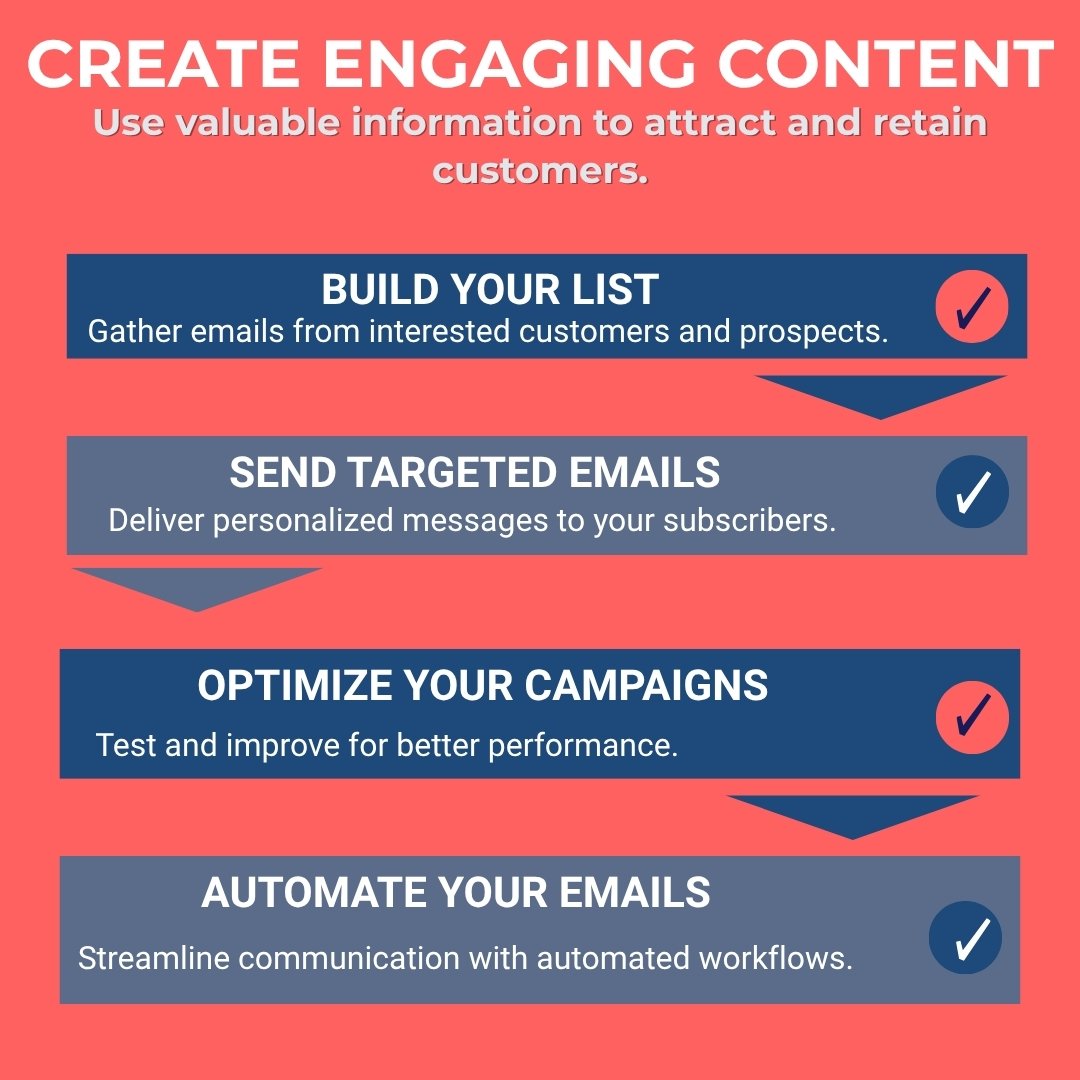
Email marketing is simply staying in touch with your clients and prospects through their inbox. Think of it as having a friendly conversation with someone who already knows and trusts you, except you can have that conversation with hundreds or thousands of people simultaneously.
Unlike social media posts that disappear in crowded feeds, emails land directly in your client’s personal space. When someone gives you their email address, they’re essentially saying, “Yes, I want to hear from you.” That’s powerful.
For small businesses, email marketing serves three critical purposes: keeping your business top-of-mind, nurturing relationships with potential clients, and encouraging repeat business from existing customers. It’s relationship building at scale, without losing the personal touch that makes small businesses special.
Related Blogs:
Why Small Businesses Need Email Marketing Early

Whether you’re a solopreneur, run a medical clinic, own a salon, or work as a freelancer, email marketing becomes your silent sales partner. Here’s why starting early matters, even with just a handful of clients.
Client retention costs less than acquisition. It’s five times more expensive to attract a new client than to keep an existing one happy. Email marketing keeps you connected with past clients, making it natural for them to return when they need your services again. A simple monthly newsletter or seasonal check-in can be the difference between a one-time client and a lifelong customer.
Trust builds over time. People buy from businesses they trust, and trust develops through consistent, valuable communication. When you regularly share helpful tips, industry insights, or check in on your clients’ well-being, you’re building a relationship that goes beyond transactions.
Timing matters in service businesses. Your ideal client might not need your services today, but they will eventually. Email marketing ensures you’re the first business they think of when that need arises. The dentist who sends quarterly check-up reminders, the hair salon that suggests seasonal treatments, or the freelance designer who shares creative tips—they’re all staying relevant in their clients’ minds.
Small businesses have a unique advantage in email marketing: authenticity. Your clients want to hear from you personally, not from a corporate marketing department. This genuine connection is something large companies struggle to replicate, making it your competitive edge.
Core Email Types Every Small Business Should Automate
Email automation sounds technical, but it’s really just setting up helpful messages to send automatically when specific things happen. Think of it like having a helpful assistant who never forgets to follow up with clients.
Welcome emails are your digital handshake. When someone new joins your email list, a warm welcome message introduces your business, sets expectations, and often includes a special offer. This first impression sets the tone for your entire relationship.
Booking reminders reduce no-shows and demonstrate professionalism. Whether you’re a therapist, salon owner, or consultant, automated appointment confirmations and gentle reminders show clients you value their time and yours. Include appointment details, your address, and any preparation instructions they might need.
Follow-up emails show you care about results, not just transactions. After a service or purchase, check in on how everything went. Ask for feedback, offer additional support, or simply thank them for choosing your business. These messages often lead to referrals and repeat business.
Occasional sales and promotions can boost revenue when done thoughtfully. The keyword is “occasional”—your clients should receive value-packed emails most of the time, with promotional messages sprinkled in sparingly. Think seasonal services, anniversary specials, or limited-time offers for slow periods.
Business updates and newsletters keep your community informed about your business journey. Share new services, team changes, helpful tips related to your industry, or even personal milestones. These emails build the relationship between your business and your clients.
Triggered email sequences respond to specific actions your clients take. Someone downloads your free guide? Send them a series of related tips over the next week. A client hasn’t booked in six months? Send a friendly check-in with a special comeback offer. These sequences feel personal because they’re relevant to each recipient’s behaviour.
Sales Funnels + Emails = More Clients (Explained)

A sales funnel isn’t marketing jargon—it’s just the journey someone takes from first hearing about your business to becoming a paying client. Email marketing guides people through this journey naturally.
Picture this funnel like a friendship. First, someone meets you (awareness). They get to know you better (consideration). They decide they like and trust you (decision). Finally, they become a regular part of your life (loyalty). Email marketing nurtures each stage of this relationship.
A sales funnel isn’t marketing jargon—it’s just the journey someone takes from first hearing about your business to becoming a paying client. Email marketing guides people through this journey naturally.
Picture this funnel like a friendship. First, someone meets you (awareness). They get to know you better (consideration). They decide they like and trust you (decision). Finally, they become a regular part of your life (loyalty). Email marketing nurtures each stage of this relationship.
At the awareness stage, your emails introduce your expertise through helpful content. A fitness trainer might share workout tips, while a financial advisor offers budgeting strategies. You’re demonstrating value before asking for anything in return.
During consideration, your emails address common concerns and questions. Share client success stories, explain your process, or offer free consultations. You’re building confidence in your ability to solve their problems.
At the decision stage, gentle nudges help prospects take action. Limited-time offers, testimonials from similar clients, or simple reminders about their initial inquiry can provide the final push they need.
The loyalty stage focuses on retention and referrals. Regular check-ins, exclusive offers, and requests for reviews keep happy clients engaged and likely to recommend you to others.
Email marketing keeps potential clients moving through this funnel even when you’re busy serving other customers. It’s nurturing relationships while you sleep, vacation, or focus on delivery.
Email Automation Is Simpler Than You Think
Let’s bust a common myth: email automation doesn’t require artificial intelligence or complex programming. It’s more like setting up a series of helpful reminders and responses that trigger based on simple rules.
MailerLite offers an excellent starting point for beginners. Their free plan covers up to 1,000 subscribers and includes basic automation features. The interface is intuitive, and their templates look professional without requiring design skills. As your business grows, their paid plans offer advanced features at reasonable prices.
HubSpot’s free CRM excels at tracking leads and managing client relationships. You can see exactly how prospects interact with your emails, track their journey through your sales funnel, and organize all client communication in one place. The free version provides substantial functionality for small businesses.
Apollo.io specializes in cold outreach for businesses that need to proactively find new clients. Freelancers, B2B service providers, and consultants often use Apollo to identify potential clients and initiate professional conversations. It’s particularly effective for businesses where clients don’t typically search for services online.
Advanced options like Klaviyo for SMS marketing, n8n for complex automations, or GoHighLevel for comprehensive business management become relevant as your needs grow. Start simple, then upgrade when basic tools no longer meet your requirements.
The beauty of automation lies in scalability. Whether you have 10 clients or 10,000, your automated sequences provide the same personalized experience to everyone. Your welcome series works just as well for your hundredth subscriber as it did for your first.
Real-World Examples by Industry
Salon Email Sequence: A client books their first appointment and immediately receives a welcome email with your address, parking information, and what to expect. Three days before their appointment, they get a reminder with preparation tips. The day after their visit, you follow up asking how they loved their new look and offering a friends-and-family referral discount. Six weeks later, you send a gentle reminder that it’s time for a touch-up, along with any seasonal service recommendations.
Clinic Appointment System: New patients receive an informational packet via email explaining your services, insurance policies, and what to bring to their first appointment. Automated appointment confirmations include office policies and directions. Post-appointment surveys help you improve service quality while demonstrating care for patient experience. Quarterly wellness tips keep your clinic top-of-mind for ongoing healthcare needs.
Freelancer Nurturing Campaign: A potential client downloads your portfolio and enters an automated sequence. Email one explains your design process. Email two shares a client success story relevant to their industry. Email three offers a free strategy call. If they don’t respond, a final email six months later checks if their situation has changed and offers updated services.
Small E-commerce Business: A candle maker uses automated emails to turn browsers into buyers. Cart abandonment emails remind customers about forgotten items with a small discount. Post-purchase sequences include care instructions, requests for reviews, and suggestions for complementary products. VIP customers receive early access to new scents and seasonal collections.
Each industry requires different timing and messaging, but the principles remain consistent: provide value, build relationships, and make it easy for clients to engage with your business.
Avoid These Email Marketing Mistakes
Over-sending is the fastest way to lose subscribers. Unless you’re running a daily deal business, most small service businesses should email weekly at most, with monthly being perfectly acceptable. Quality trumps quantity every time. Your clients would rather receive one valuable email per month than four mediocre ones per week.
Ignoring follow-ups wastes your marketing investment. You’ve worked hard to earn someone’s email address and trust. Following up on inquiries, checking satisfaction after services, and nurturing relationships with past clients often generates more revenue than acquiring new prospects.
Lack of segmentation treats all clients the same, missing opportunities for relevance. Your email list likely includes current clients, past clients, and prospects. Their needs and interests differ, so your messages should too. Basic segmentation by service type, client status, or purchase history dramatically improves engagement rates.
Generic, impersonal messaging makes you forgettable. Use your recipient’s name when possible, reference their specific situation, and write like you’re talking to a friend. Small businesses succeed on personal relationships, so your emails should reflect that authentic connection.
No clear call-to-action confuses recipients about next steps. Each email should have one primary purpose: book an appointment, read a blog post, claim an offer, or simply reply with questions. Make it obvious what you want them to do next.
Advanced Tips for Growing Businesses
Segmentation basics become crucial as your email list grows. Separate clients by service type, purchase history, engagement level, or demographics. A Med Spa might segment by treatment type (skincare vs. wellness), while a consultant might segment by industry or company size. Targeted messages perform significantly better than generic broadcasts.
Balance promotional and value-driven content carefully. Follow the 80/20 rule: 80% of your emails should provide value, entertainment, or useful information, while 20% can be promotional. Value-first communication builds trust and makes promotional messages more effective when you do send them.
Track meaningful metrics beyond open rates. Click-through rates, conversion rates, and revenue per email provide better insights into email effectiveness. Most importantly, track business metrics like repeat bookings, referrals generated, and client lifetime value improvements.
Personalization extends beyond using someone’s first name. Reference their last service, mention their specific challenges, or acknowledge their business or personal milestones. The more relevant your emails feel, the stronger your client relationships become.
Timing optimization varies by industry and audience. B2B emails often perform better on Tuesday through Thursday mornings, while consumer services might see better results on evenings or weekends. Test different send times with your specific audience rather than following generic best practices.
Start Simple, Scale Smart
Email marketing doesn’t require perfection from day one. I started my business using Canva for graphics and basic email tools, gradually upgrading to Adobe Creative Cloud and sophisticated automation platforms as my needs and budget grew.
Begin with one simple automation: a welcome email for new subscribers. Write it in your own voice, introduce your business genuinely, and include one helpful tip related to your services. Set it up once, and it works for every new subscriber going forward.
Add complexity gradually. Once your welcome email is working, create a post-service follow-up. Then maybe a monthly newsletter. Build your email marketing system piece by piece, testing and refining as you go.
Remember, your biggest competitive advantage isn’t having the most sophisticated email marketing system—it’s building genuine relationships with people who need your services. Technology should enhance these relationships, not replace the personal touch that makes small businesses special.
What’s your biggest struggle with email marketing? Are you worried about finding time, creating content, or simply knowing where to start? Let me know in the comments below—I read every single one and often respond with specific advice.